

The International Monetary Fund (IMF) has cautioned Ghana against returning to excessive borrowing, urging the government to maintain strict fiscal discipline and pursue sustainable economic reforms as the country works to stabilise its economy.
The warning comes as Ghana continues to implement reforms under its IMF-supported program aimed at restoring macroeconomic stability, reducing inflation, and rebuilding investor confidence following one of the most challenging economic downturns in recent years.
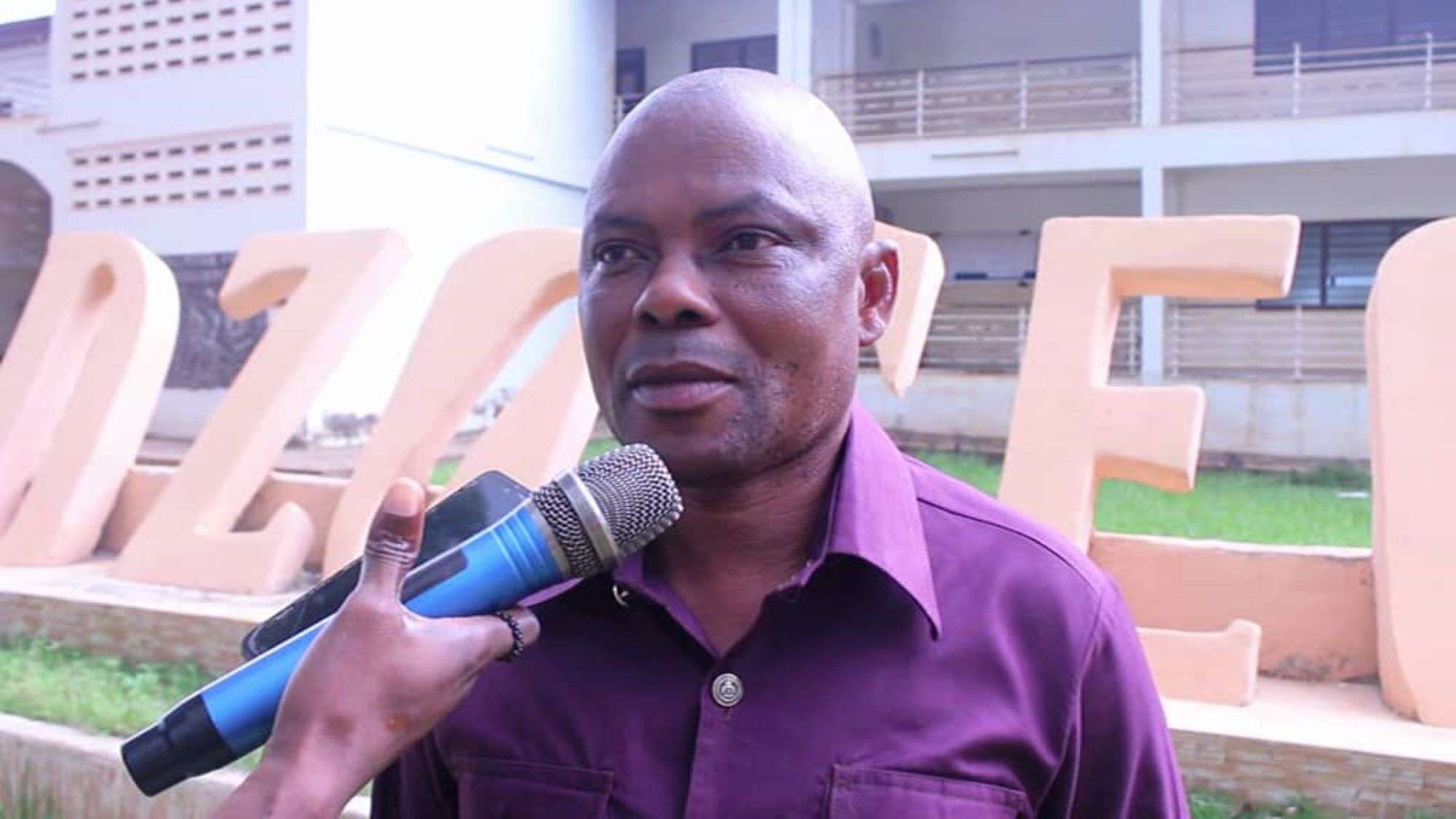
Speaking during a recent engagement with Ghanaian authorities, IMF representative to Ghana, Dr Adrian Alter, stressed that while progress has been made, Ghana must avoid a return to unsustainable debt practices that contributed to the current crisis.
“On the borrowing side, we have advised the government to be extremely prudent—not to go back to the same mistakes of excessive and expensive borrowing in the past,” he said on Channel One TV.
He explained that Ghana should rely on low-interest financing from multilateral institutions such as the World Bank and the African Development Bank, rather than return to the international capital markets, where borrowing costs remain high.
“When you have available concessional financing from multilateral agencies like the World Bank, the African Development Bank, and the IMF loan on concessional terms, you shouldn’t go to the international market where the interest rates are currently extremely pricy,” he said.
The Government of Ghana has reiterated its commitment to responsible borrowing, stating that ongoing reforms—including revenue measures, fiscal discipline, digitalisation, and expenditure rationalisation—are designed to prevent a repeat of past imbalances.