

Ghana’s recent tax reforms are proving that improved policy design, stronger enforcement, and smarter administration can deliver higher revenue without increasing tax rates.
According to the 2025 Mid-Year Fiscal Policy Review, non-oil tax revenue increased from 12.6% to 13.1% of Gross Domestic Product (GDP), despite the government’s decision to remove several previously existing levies.
The government abolished a number of taxes, including the Electronic Transfer Levy (E-Levy), Betting Tax, COVID-19 Health Recovery Levy, Emissions Levy, and Value Added Tax (VAT) on motor insurance. These measures were aimed at reducing the tax burden on individuals and businesses while creating a more efficient and growth-friendly tax environment.
A major component of the reforms has been the restructuring of the VAT system. Comprehensive VAT adjustments reduced the effective rate to 20%, increased the VAT registration threshold to GH¢750,000, and separated selected levies to allow businesses to claim input tax credits.
The changes are designed to improve fairness, reduce compliance challenges, and encourage more businesses to operate within the formal tax system.
Technology-driven reforms have also contributed significantly to improved revenue mobilisation. The introduction of the Publican AI Trade Solution, an artificial intelligence-powered customs platform, increased assessed customs collections by 17.5%, generating more than US$300 million in additional revenue. Monthly customs collections also grew from approximately GH¢4 billion to between GH¢5.3 billion and GH¢5.5 billion in 2026.
Further reforms are being introduced through new Customs and Excise Duty Bills aimed at addressing loopholes in warehousing, transit operations, free zones, and valuation processes. The government is also introducing hybrid excise systems for wines and spirits to improve tax efficiency.
To strengthen compliance, Fiscal Electronic Devices and a VAT Reward Scheme are being rolled out to promote accurate reporting and encourage voluntary tax compliance.
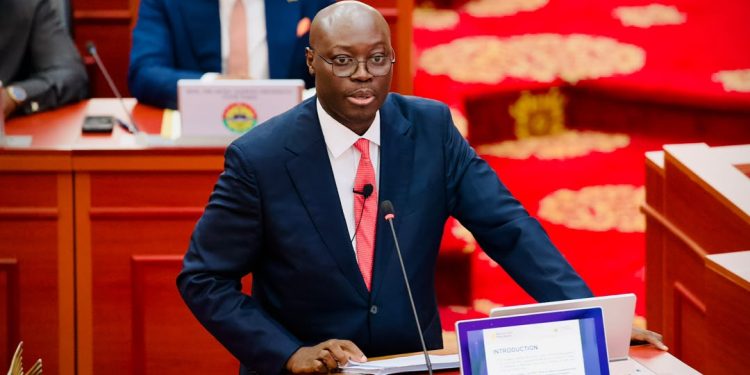
Finance Minister Dr. Forson noted that sustainable revenue growth depends not on higher taxes, but on better policies, stronger compliance, and smarter revenue administration. Ghana’s experience demonstrates that effective reforms can expand revenue while supporting economic activity.