
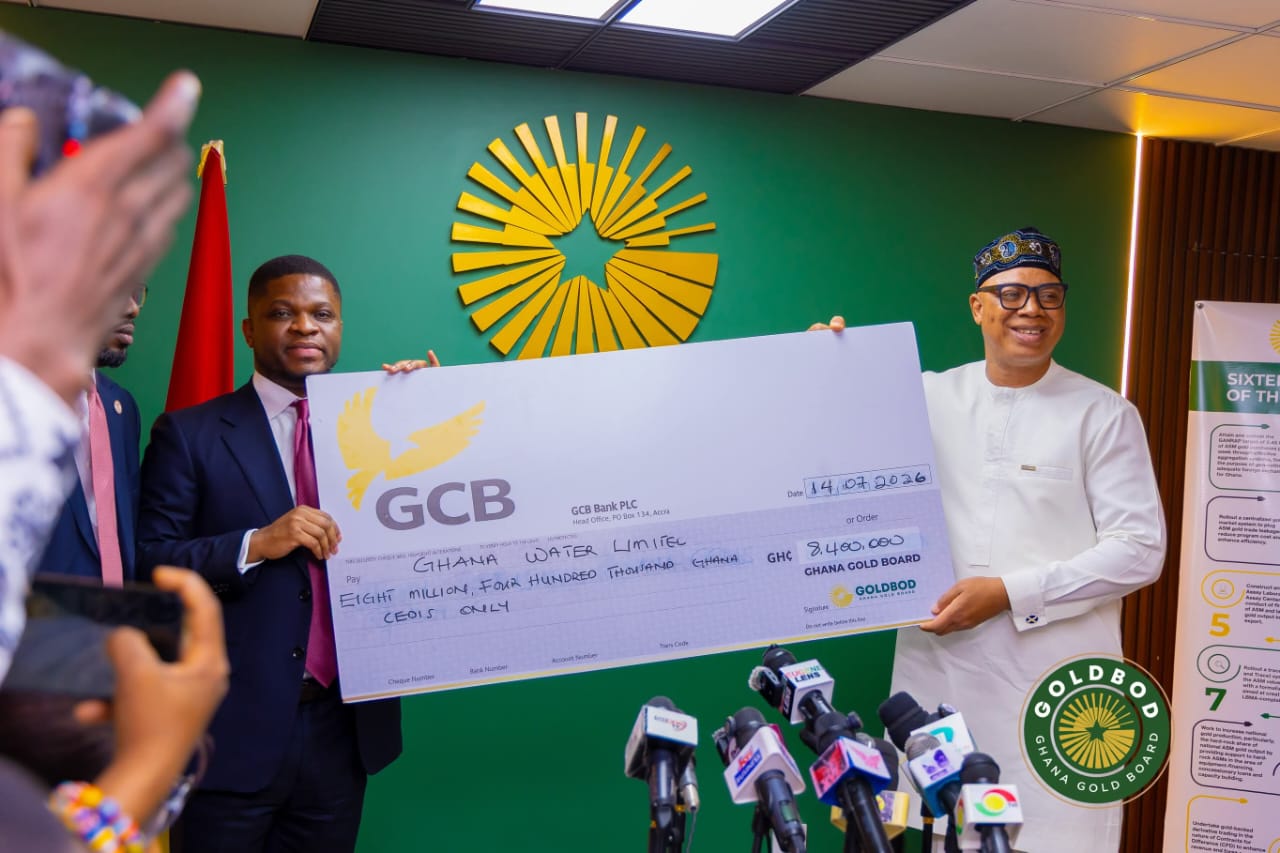
The Ghana Gold Board (GoldBod) has signed a GH¢8.4 million agreement with Ghana Water Limited (GWL) to rehabilitate three major water supply systems affected by years of operational challenges worsened by illegal mining activities, popularly known as galamsey.
The rehabilitation will target the Bonsa, Daboase and Sekyere Heman Water Supply Systems in the Western and Central Regions, with the aim of restoring their treatment capacity, improving potable water delivery and strengthening environmental sustainability.
The agreement is considered significant as the three facilities have been among the water systems severely impacted by the destruction of water bodies through illegal mining activities.
Galamsey operations have polluted major rivers that serve as raw water sources for GWL treatment plants, increasing turbidity levels, raising treatment costs, damaging equipment and, in some cases, forcing temporary shutdowns.
At the Bonsa Water Treatment Plant in the Western Region, illegal mining activities along the Bonsa River have caused severe siltation and contamination, affecting the plant’s ability to draw and treat raw water.
The facility, which supplies a significant portion of potable water to the Tarkwa-Nsuaem Municipality, has previously been shut down after excessive silt blocked its intake point.
The Daboase Water Treatment Plant, which supplies parts of the Sekondi-Takoradi Metropolis and surrounding communities, has also suffered from increasing levels of turbidity caused by mining-related pollution.
Officials have reported that the plant has had to contend with significantly higher sediment loads, resulting in increased chemical usage, frequent equipment strain and higher operational costs.
The Sekyere Heman Water Supply System has faced similar challenges, with heavy sludge and silt deposits from polluted water sources affecting treatment processes and contributing to frequent breakdowns of treatment infrastructure.
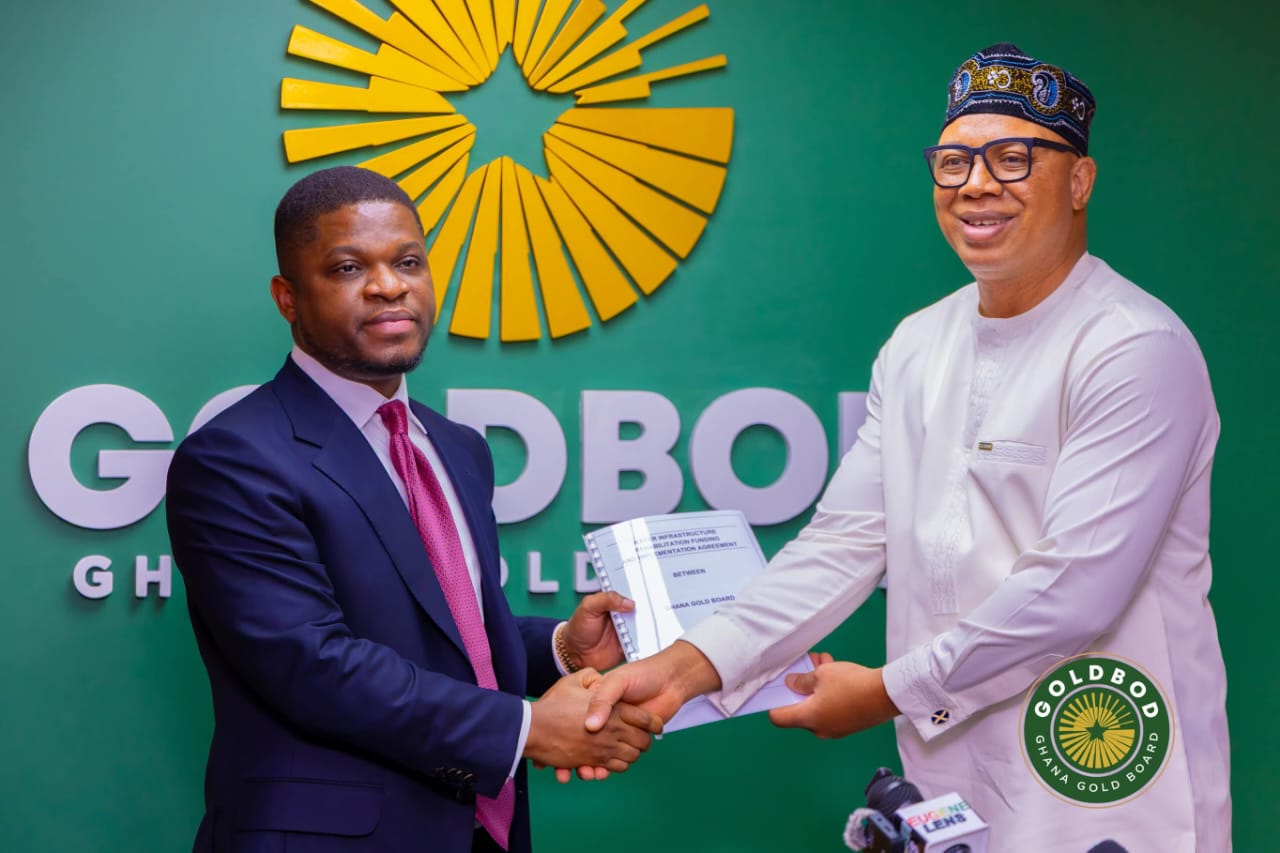
Speaking at the signing ceremony, Chief Executive Officer [CEO] of GoldBod, Sammy Gyamfi, said the Board undertook an independent technical assessment of the affected facilities before approving the intervention.
He said the project reflected GoldBod’s commitment to responsible mining practices, environmental restoration and improving the livelihoods of communities affected by mining-related environmental degradation.
“This intervention demonstrates our commitment to responsible mining, environmental sustainability and improving the lives of Ghanaians,” Mr Gyamfi said.
The Managing Director of Ghana Water Limited, Adam Mutawakilu, welcomed the partnership, describing it as a timely intervention that would help restore production capacity and improve service delivery to affected communities.
He said the collaboration demonstrated the importance of protecting critical national infrastructure while addressing the growing demand for reliable potable water supply.
The rehabilitation project comes at a time when Ghana’s water sector continues to grapple with the consequences of illegal mining, which has placed enormous pressure on water treatment systems across mining-affected regions.
Beyond the financial cost of restoring damaged infrastructure, the pollution of rivers has created wider public health and environmental concerns, forcing water utilities to spend more resources treating increasingly contaminated raw water.
Experts have warned that conventional treatment plants were not designed to handle the extreme levels of sediment and pollution now entering some water sources due to illegal mining activities.
The GoldBod-GWL partnership is therefore expected not only to rehabilitate damaged facilities but also to serve as part of broader efforts to repair the environmental damage caused by irresponsible mining practices.
The two institutions said they were committed to implementing sustainable solutions that protect water resources, strengthen public infrastructure and improve access to safe drinking water for communities in the Western and Central Regions.