

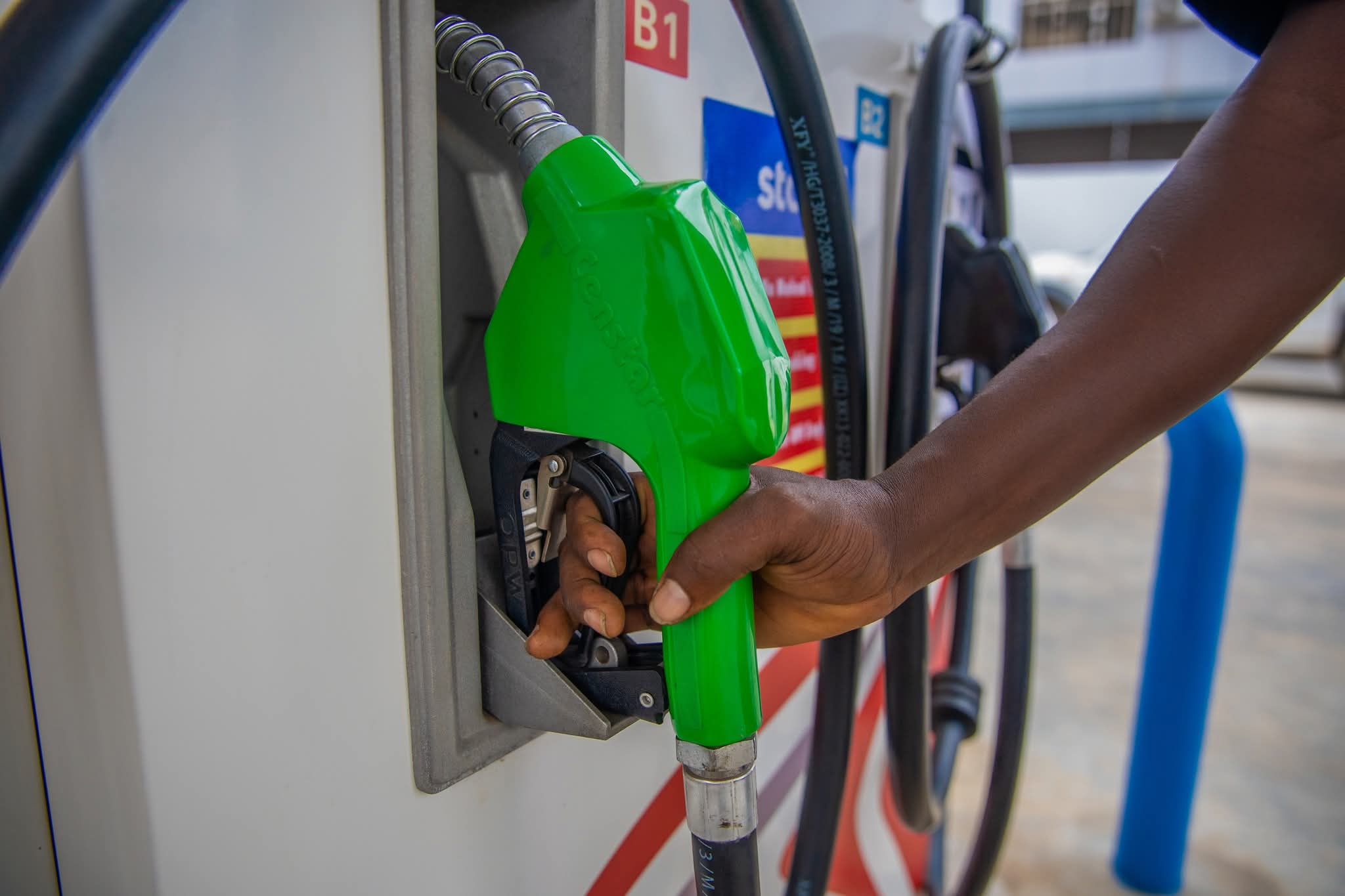
The government has extended its temporary GH¢2 per litre diesel price relief into September, continuing the intervention first introduced in early August to cushion consumers and stabilise transport costs amid elevated global energy prices.
President John Dramani Mahama initially directed a reduction in the regulatory margin on diesel by GH¢2 per litre, effective August 4, 2026, for one month.
The measure, approved by Cabinet, was designed to prevent transport fare hikes, contain inflationary pressures, and ease the pass-through effects of higher fuel prices on the cost of living.
It followed a similar intervention earlier in the year and was implemented by the National Petroleum Authority (NPA), which adjusted the diesel price floor accordingly and instructed Oil Marketing Companies (OMCs) to reflect the cut at the pumps.
As the original one-month window neared its end, Energy and Green Transition Minister John Jinapor indicated the intervention was under review, with a decision to be taken based on prevailing market conditions.
The Chamber of Petroleum Consumers (COPEC) had appealed for an extension beyond August, citing ongoing pressures from international petroleum product prices and the need to protect households and businesses from further increases.
The extension comes as the NPA raised indicative price floors for the September 1–16, 2026 pricing window, setting petrol at a minimum of GH¢14.53 per litre and diesel at GH¢15.60 per litre.
COPEC projected that actual pump prices could still edge higher—petrol potentially reaching around GH¢16.21 per litre (about a 5% rise from recent averages) and diesel around GH¢17.61 per litre—driven largely by movements in global refined product prices, even as the cedi appreciated against the US dollar.
By maintaining the GH¢2 absorption on diesel, the government aims to moderate the impact of these adjustments for diesel-dependent commercial operators, transporters, and businesses.
Industry stakeholders, including the Chamber of Oil Marketing Companies (COMAC), previously welcomed the August measure and confirmed its swift implementation at the pumps. Estimates earlier placed the monthly cost of the relief in the region of GH¢200 million.
Officials have emphasised that the policy remains temporary and subject to ongoing monitoring of international energy markets.
The government has signalled readiness to introduce further measures if needed to protect consumers and support economic recovery, while balancing fiscal sustainability.
Motorists and commercial operators are advised to check current pump prices at individual stations, as OMCs set final retail prices within the NPA’s regulatory framework.
The extension provides continued short-term relief for diesel users heading into September, though longer-term calls persist for more structural approaches, such as strategic fuel reserves, to manage price volatility.