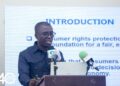

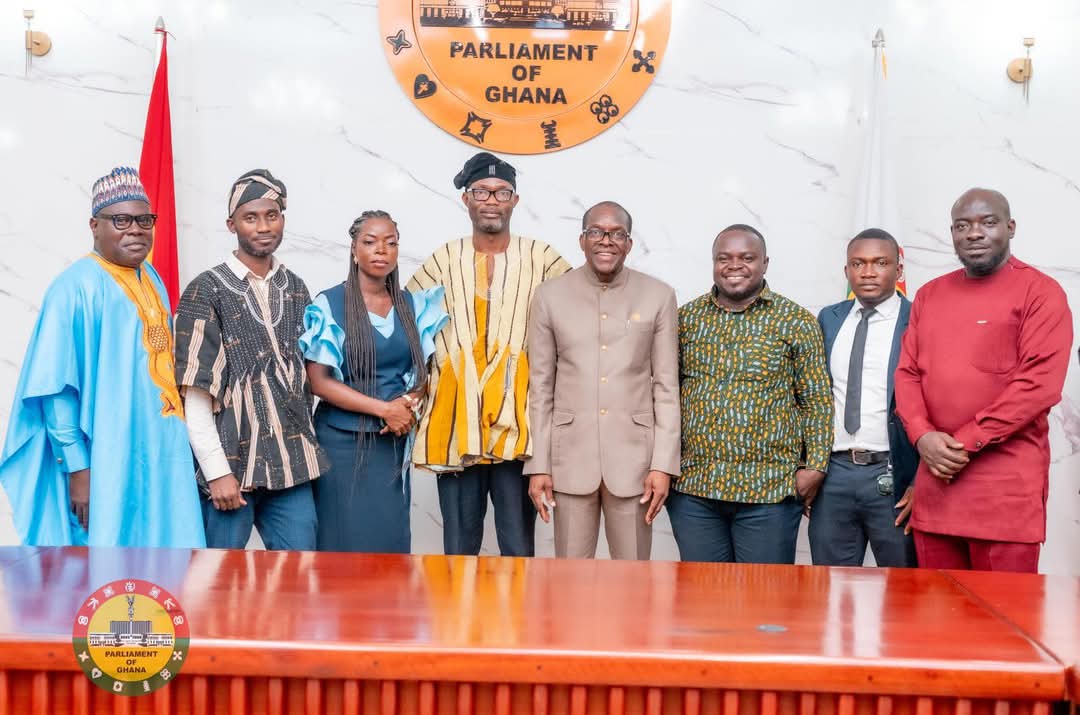
The Dean of the Parliamentary Press Corps has urged journalists covering Parliament to uphold professional ethics, strengthen their knowledge of constitutional and parliamentary procedures, and responsibly embrace Artificial Intelligence (AI) to improve reporting.
Addressing a workshop organised for members of the Parliamentary Press Corps, the Dean said parliamentary journalism goes beyond reporting speeches and political disagreements, requiring accuracy, professional competence and a commitment to informing the public about decisions that affect their lives.
The Dean noted that Parliament plays a central role in Ghana’s democratic governance through its legislative, oversight and representative functions, making the work of parliamentary journalists critical to transparency and accountability.
“Parliamentary journalism therefore goes beyond reporting speeches and political disagreements; it requires constitutional knowledge, professional competence, accuracy and a commitment to keeping the public informed about decisions that affect their lives,” the Dean stated.
Journalists urged to understand parliamentary privileges
The Dean stressed the importance of understanding the privileges and immunities of Parliament as provided for under Articles 115 and 116 of the 1992 Constitution.
According to the Dean, these provisions protect freedom of speech and debate in parliamentary proceedings and safeguard the independence of Members of Parliament in the performance of their constitutional responsibilities.
However, the Dean cautioned journalists against assuming that such protections automatically exempt every publication made outside Parliament from applicable legal and ethical obligations.
The Dean urged parliamentary correspondents to report proceedings accurately and fairly while distinguishing statements made in Parliament from independently verified facts.
Professionalism, the Dean added, requires a thorough understanding of parliamentary procedures and the ability to distinguish between bills and Acts, committee recommendations and decisions of the House, as well as political claims and verified information.
The Dean said these distinctions were essential to preventing misinformation and ensuring that the public receives accurate accounts of parliamentary activities.
AI presents opportunities for parliamentary reporting
The growing influence of Artificial Intelligence also featured prominently in the Dean’s address, with journalists encouraged to explore its potential to improve their work while remaining mindful of its limitations.
The Dean observed that AI tools could assist journalists in transcribing parliamentary debates, summarising lengthy reports, analysing budgets and researching legislation.
However, the Dean emphasised that technology should complement rather than replace professional judgement.
Journalists were urged to verify AI-generated information against reliable sources, protect confidential information and avoid publishing fabricated quotations or misleading content.
The Dean noted that the responsible use of AI was increasingly important in an evolving media environment where speed and competition for audiences could put pressure on journalists to publish information before adequately verifying it.
Ethical journalism must remain a priority
The Dean further called on parliamentary journalists to maintain high ethical standards despite the financial and professional challenges confronting the media industry.
According to the Dean, inadequate remuneration, financial pressures and competition for audiences must not become excuses for bribery, sensationalism, misinformation or compromised editorial independence.
The Dean also called on media organisations to provide fair working conditions and protect journalists from improper commercial and political influence.
The address underscored the need for journalists to remain independent and committed to the public interest, particularly when reporting on politically sensitive parliamentary proceedings and government decisions.
The Dean maintained that journalists must have the courage to question authority and the integrity to resist improper inducements while ensuring that their reporting remains balanced, factual and responsible.
Right to Information Act a tool for accountability
The Dean highlighted the Right to Information Act, 2019 (Act 989), as an important legal framework for journalists seeking access to information held by public institutions and other bodies covered by the law.
The law, the Dean explained, provides opportunities for journalists to obtain relevant public records, investigate government expenditure, scrutinise policy implementation and strengthen evidence-based reporting, subject to applicable exemptions and procedures.
Parliamentary correspondents were therefore encouraged to familiarise themselves with the process of submitting information requests and pursuing appropriate review or appeal procedures when necessary.
The Dean said effective use of the law could improve the quality of parliamentary reporting and help strengthen public accountability.
The Dean also urged journalists to deepen their understanding of Parliament’s Standing Orders, legislative procedures, committee work, motions, amendments and voting processes.
A sound understanding of the respective roles of the Speaker and parliamentary leadership, the Dean added, would enable correspondents to provide clearer and more informed explanations of parliamentary business.
Journalists were also reminded to comply with applicable accreditation and access requirements while maintaining their independence to scrutinise parliamentary activities.
Call for stronger collaboration between Parliament and the media
Concluding the address, the Dean said the quality of parliamentary journalism depended on constitutional awareness, professional discipline, ethical integrity, technological competence and access to reliable information.
The Dean called on Parliament to recognise the legitimate role of the media in promoting transparency and accountability, while urging journalists to renew their commitment to responsible reporting and continuous professional development.
“The credibility of Parliamentary journalism rests not only on the information we obtain, but also on the integrity with which we verify, interpret and communicate it,” the Dean stated.
The workshop is expected to provide an opportunity for members of the Parliamentary Press Corps to strengthen their professional capacity, improve their understanding of parliamentary processes and explore ways to enhance the accuracy and quality of reporting on Ghana’s legislature.