
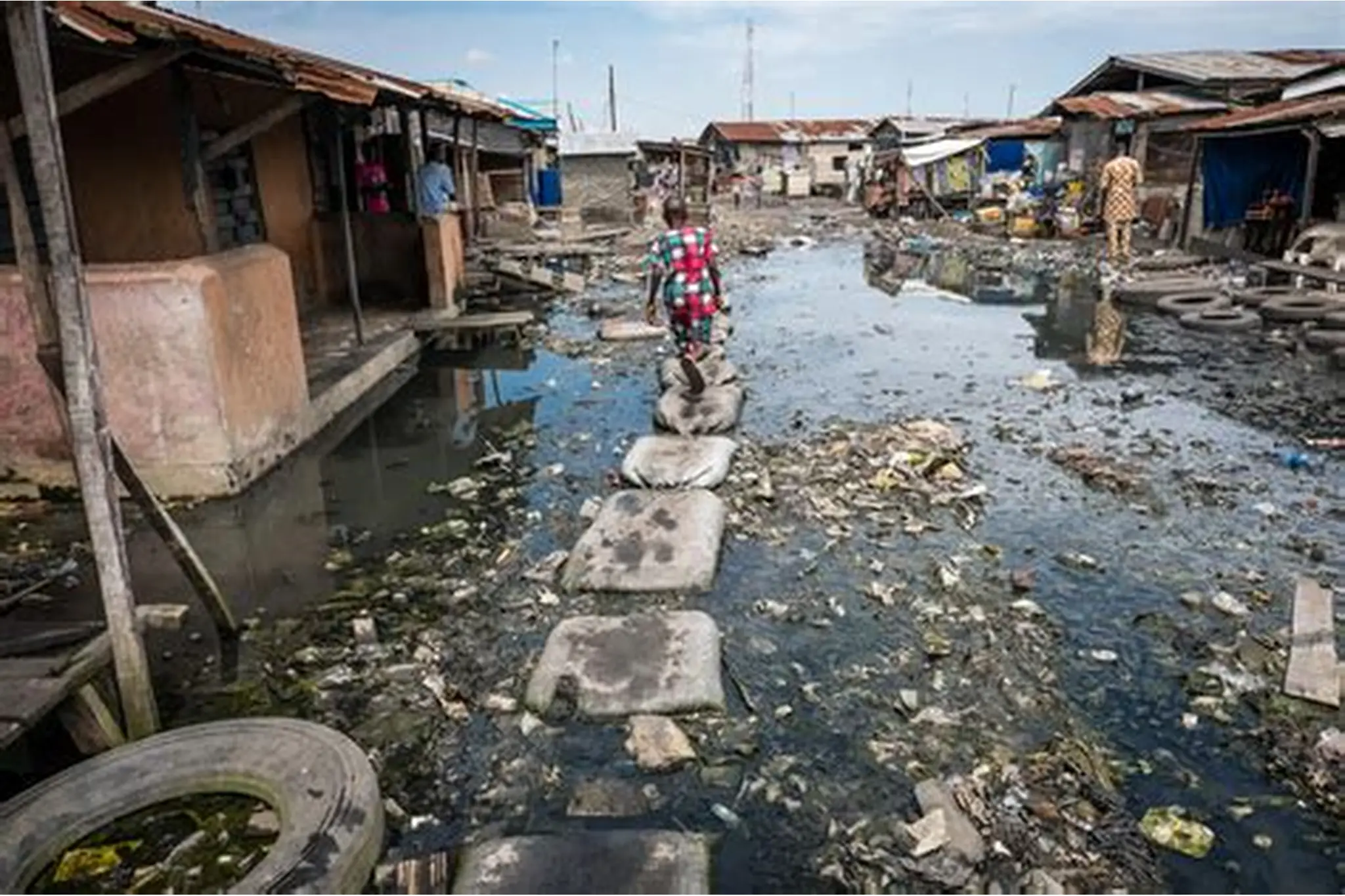
The Ministry of Health has issued a cholera alert following widespread flooding in several parts of the country, warning that contaminated water and poor sanitation could trigger outbreaks of the disease if urgent preventive measures are not taken.
The ministry said floodwaters often mix with sewage and other waste, increasing the risk of contaminating drinking water sources. Residents in flood-affected communities have therefore been urged to remain vigilant and adopt proper hygiene practices to protect themselves and their families.
Health officials advised the public to drink only safe or treated water, wash their hands regularly with soap and clean water, thoroughly cook food, and avoid eating food prepared under unhygienic conditions. They also encouraged communities to dispose of waste properly and ensure that toilets and drainage systems are kept clean to reduce the spread of disease.
The ministry further called on individuals experiencing symptoms such as severe diarrhoea, vomiting, dehydration, or stomach cramps to seek immediate medical attention. Early treatment, including oral rehydration therapy and prompt care at the nearest health facility, can significantly reduce the risk of severe illness and death.
Hospitals and clinics across affected areas have been directed to strengthen surveillance systems, ensure adequate stocks of essential medicines and rehydration supplies, and promptly report any suspected cholera cases.
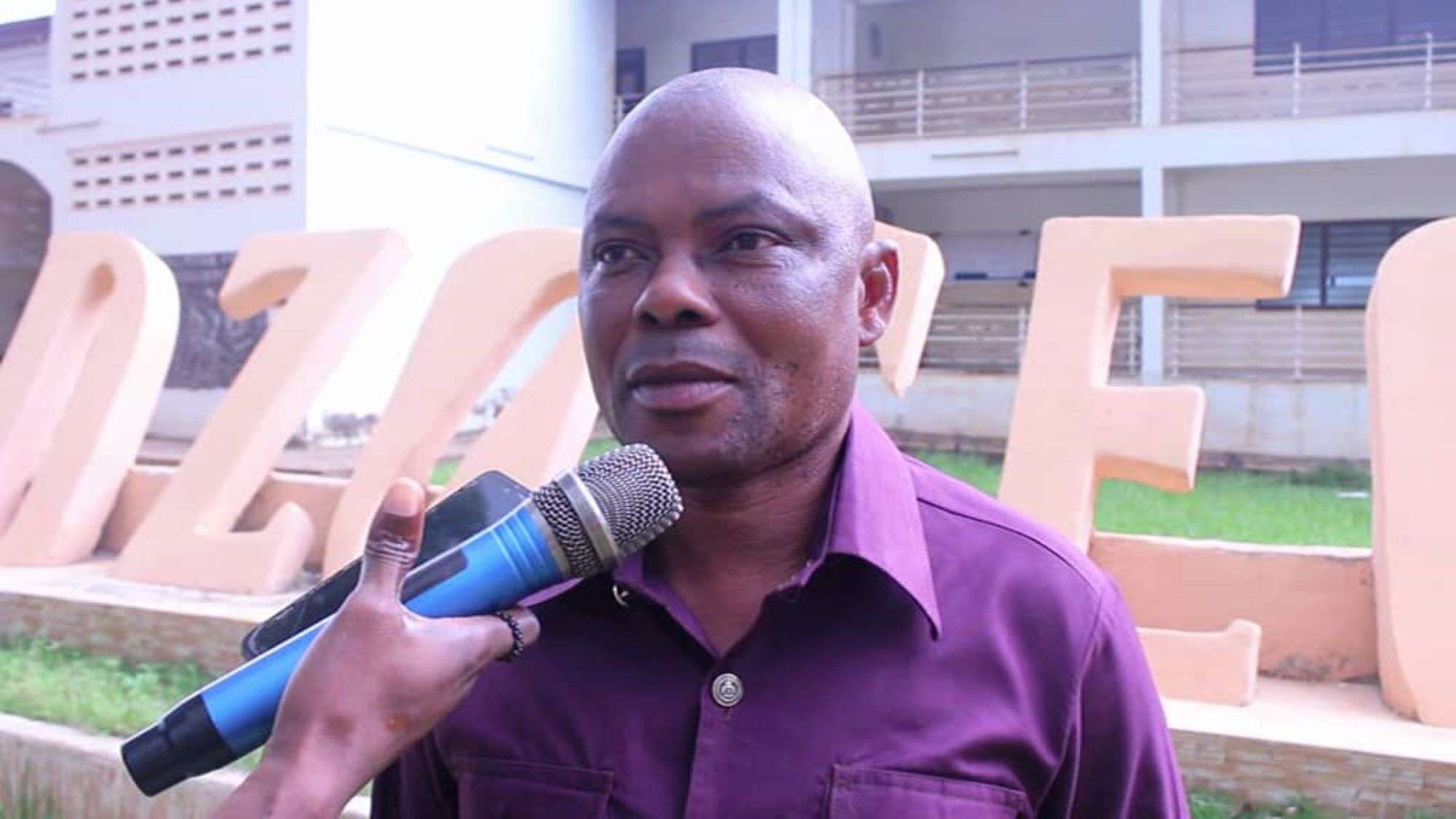
The Director of Public Health at the Ghana Health Service Dr. Franklyn Asiedu Bekoe noted that coastal communities remain the country’s cholera hotspots due to longstanding sanitation challenges and high population density.
He said “As a service, we are reviewing our plans. To strengthen preparedness, the service will roll out a three-month response plan focused on enhanced disease surveillance, effective case management, community engagement, and intensified risk communication to educate the public on preventive measures. Our focus is more on prevention, because the risk factors are there.”
He urged Ghanaians to drink safe water, wash their hands regularly with soap, maintain clean surroundings, use hygienic toilet facilities, and report symptoms such as severe diarrhea and vomiting to the nearest health facility without delay.
The Minister of Health Kwabena Mintah Akandoh during the meeting also assured of the Ministry’s commitment to working with Metropolitan, Municipal, and District Assemblies and other stakeholders to reduce the risk of an outbreak as the rainy season continues.
“I want to reiterate the need for us to protect ourselves from the outbreaks. Let’s use clean water and eat warm foods. Use sanitizer and wash our hands well,” he added.