
The opposition New Patriotic Party (NPP) has strongly condemned what it describes as politically motivated arrests and prosecutions of its communicators, warning of a growing threat to free speech and judicial independence in the country.
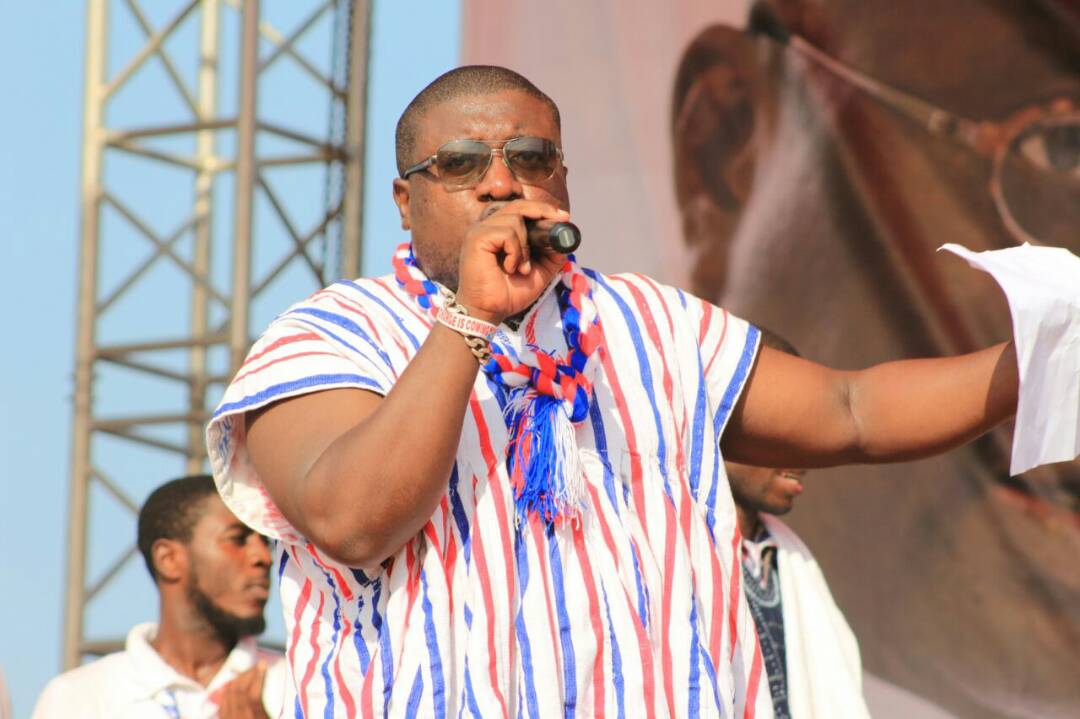
Addressing a press conference at the party’s headquarters in Asylum Down, Accra, on Wednesday, April 15, the NPP National Organiser, Henry Nana Boakye, alleged that recent actions by law enforcement agencies and the judiciary point to a deliberate attempt to suppress dissenting voices.
The press briefing focused largely on the arrest and remand of an NPP communicator, Baba Amando, which the party described as a “state-sponsored political abduction disguised as law enforcement.”
Mr Boakye outlined what he termed as “undisputed facts” surrounding the case, explaining that Baba Amando honoured a police invitation in Sunyani on April 13, accompanied by his lawyer, Tuah Yeboah. However, he was subsequently transferred to Accra on the same day on the grounds that the arrest directive had come “from above.”
He noted that although the suspect was granted police bail and instructed to report to the Police Headquarters the following day, he was later arraigned before a court without new evidence or a request for remand from the prosecution.
According to the NPP, the prosecution did not oppose bail nor apply for the suspect’s remand after charging him with publishing false news relating to an alleged AI-generated image involving government officials.
Despite this, the presiding judge, Justice Kuunsong, ordered a two-week remand, citing concerns of possible interference with investigations.
Mr Boakye criticised the decision, describing it as a “judicial overreach” and an abandonment of the judge’s role as a neutral arbiter as enshrined under the 1992 Constitution. He argued that the ruling was inconsistent with the actions of the police, who had earlier granted bail.
He further questioned the rationale behind the court’s decision, insisting that the absence of a remand request from the prosecution undermined the justification for the ruling.
The NPP also cited what it described as double standards in the application of the law, alleging that members of the governing National Democratic Congress (NDC), including President John Dramani Mahama and some of his appointees, had made controversial statements in the past without facing similar legal consequences.
The party extended its criticism to recent actions by the Economic and Organised Crime Office (EOCO), accusing the agency of unlawfully raiding the residence of former official Maxwell Kofi Jumah without due process.
Mr Boakye described the developments as part of a broader pattern of intimidation, citing the arrest of NPP Bono Regional Chairman, Kwame Baffoe Abronye, over what the party termed as “flimsy charges.”
The NPP has, therefore, called for the immediate review of Baba Amando’s remand order and urged the Chief Justice to investigate what it believes to be apparent political bias within the judiciary.
Additionally, the party demanded that the government halt the alleged weaponisation of state institutions against political opponents and uphold constitutional freedoms, particularly the rights to personal liberty and free expression.
Mr Boakye cautioned that the continued use of state security agencies to target dissenting voices could erode public confidence in democratic institutions and undermine Ghana’s democratic credentials.
He concluded by urging the government to prioritise pressing national issues such as unemployment, rising cost of living, energy challenges and illegal mining, instead of engaging in what he described as political persecution.
“Free speech is not a crime,” he stressed, calling for the immediate release of Baba Amando.