
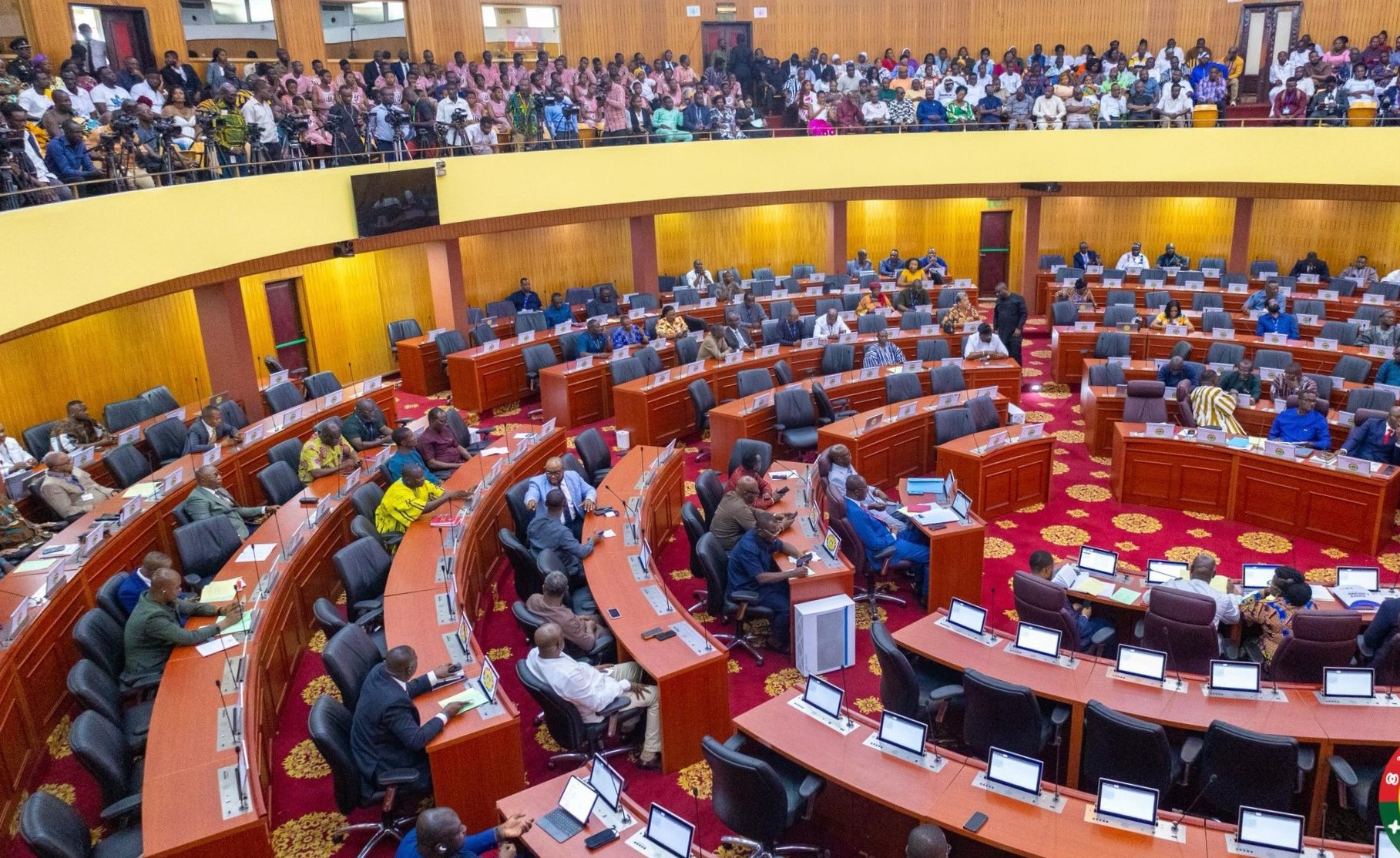
The Parliament of Ghana has passed the Human Sexual Rights and Family Values Bill, 2025, widely referred to as the anti-LGBTQ bill, after extensive debate and consideration of several amendments.
The legislation, which seeks to criminalise LGBTQ activities and advocacy in the country, has generated significant national and international attention due to its controversial provisions and implications for human rights and freedom of expression.
The bill was approved following deliberations on amendments that introduced exemptions for certain professionals and institutions whose work may involve interactions with persons identified as LGBTQ.
Supporters of the amendments argued that the changes were necessary to protect constitutional rights and ensure that professionals carrying out their duties would not face legal consequences under the law.
One of the key amendments passed by Parliament exempts lawyers and legal practitioners from punishment for offering legal services to LGBTQ persons. Under the revised provisions, individuals providing legal advice or legal representation to persons accused under the law will not be criminally liable.
Lawmakers backing the amendment explained that denying legal representation would undermine the principles of justice and due process guaranteed under Ghana’s Constitution.
Journalists and media organisations were also exempted from sanctions under the legislation. According to the amendments, members of the media who report on LGBTQ-related matters, public discussions, or current affairs as part of their professional responsibilities will not face prosecution.
The exemption is intended to safeguard press freedom and ensure that journalists can continue reporting on issues of public interest without fear of punishment.
In addition, Parliament approved protections for healthcare professionals, including doctors, psychologists, counsellors, and surgeons, who provide medical or mental health services to LGBTQ individuals.
The revised bill states that such professionals will not be penalised for offering treatment, counselling, or support services in the course of their work. Advocates for the amendment argued that healthcare workers have an ethical obligation to provide care to all individuals regardless of sexual orientation or gender identity.
Despite the inclusion of these exemptions, the passage of the bill was strongly criticised by the Minority Caucus in Parliament. Minority members opposed the amendments and questioned why changes were necessary if the original version of the bill had been properly drafted.
According to the caucus, the amendments indicate that the version previously submitted to former President Nana Addo Dankwa Akufo-Addo for assent contained significant flaws and lacked adequate legal clarity.
The Minority argued that the need for exemptions for lawyers, journalists, and healthcare professionals demonstrated that the original legislation was overly broad and could have led to unintended consequences.
Some lawmakers expressed concerns that the earlier draft could have criminalised constitutionally protected activities, including access to justice, press freedom, and medical care.
Debates surrounding the bill have highlighted deep divisions among lawmakers, civil society organisations, religious groups, and human rights advocates. Supporters of the legislation maintain that it reflects Ghanaian cultural, moral, and family values.
Many religious and traditional leaders have publicly backed the bill, insisting that it is necessary to preserve what they describe as societal norms and protect children and families from what they consider harmful influences.
Opponents of the bill, however, argue that it violates fundamental human rights and threatens freedoms guaranteed under both Ghana’s Constitution and international human rights agreements.
Human rights organisations have warned that the legislation could increase discrimination, stigma, and fear among LGBTQ persons and those perceived to be associated with them.
International advocacy groups and foreign governments have also expressed concern over the bill. Critics say the legislation could damage Ghana’s global reputation as a democratic nation committed to human rights and inclusivity. Some observers have cautioned that the bill could affect international relations, foreign investment, and partnerships with development organisations.
The Human Sexual Rights and Family Values Bill has been one of the most debated pieces of legislation in Ghana in recent years. Since its introduction, it has sparked widespread public discussion across political, religious, and social platforms.
Public hearings on the bill drew strong opinions from both supporters and opponents, with many Ghanaians expressing deeply held views on morality, religion, and constitutional freedoms.
The passage of the bill now shifts attention to the next stage of the legislative process. Questions remain over whether the bill will receive presidential assent and whether it could face legal challenges in the courts.
For now, Parliament’s approval of the Human Sexual Rights and Family Values Bill marks a significant moment in Ghana’s political and social landscape. While supporters see it as a victory for cultural and family values, critics believe it represents a setback for human rights and democratic freedoms.
As reactions continue to emerge both within Ghana and internationally, the debate surrounding the anti-gay bill is expected to remain a major topic in the country’s public discourse for the foreseeable future.