

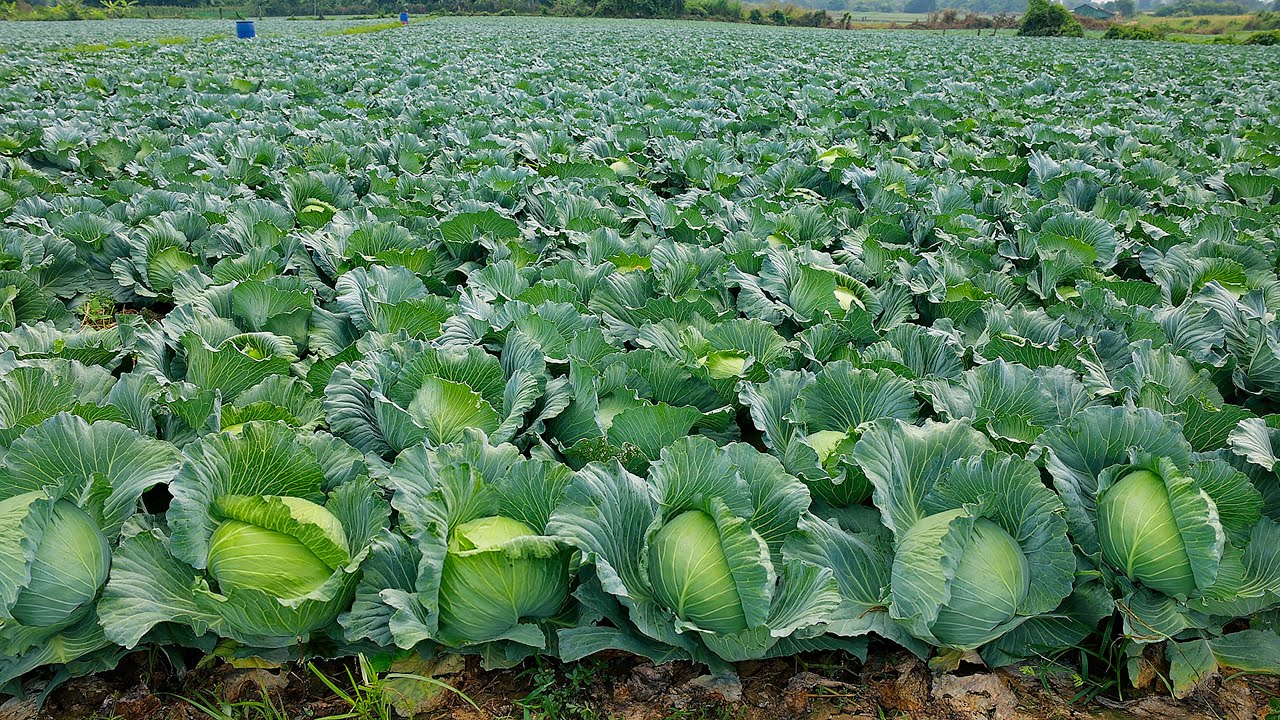
A new study has found concerning levels of pesticide residues in cabbage and okra sold in Ghanaian markets, raising renewed concerns about food safety and agricultural practices in the country.
The research, which analysed vegetable samples collected from selected markets, detected pesticide concentrations that in some cases exceeded internationally accepted safety limits.
According to findings by the environmental advocacy organisation, the Centre for Indigenous Knowledge and Organisational Development (CIKOD), there is an urgent need to accelerate the adoption of agro-ecological farming practices within Ghana’s agricultural sector.
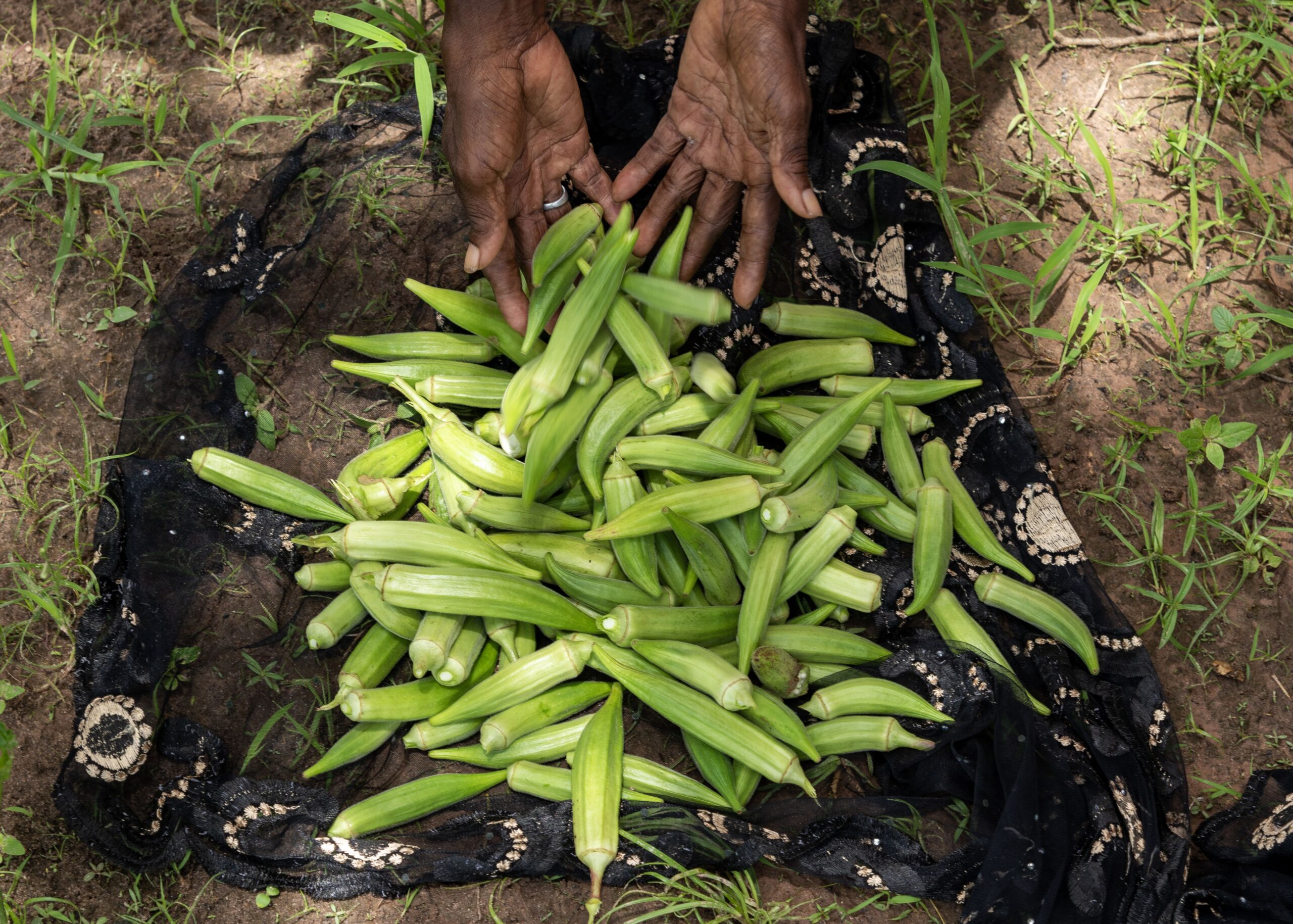
The organisation said both cabbage and okra—vegetables commonly consumed across Ghana—showed varying levels of pesticide contamination linked to the use of agrochemicals during cultivation.
CIKOD said the findings should serve as a wake-up call for policymakers, producers, traders and consumers to support safer food production systems and reduce reliance on synthetic agrochemicals.
Researchers noted that while pesticides play an important role in protecting crops from pests and improving yields, improper application—including excessive use and failure to observe recommended pre-harvest intervals—can contribute to pesticide residues remaining on food by the time it reaches consumers.
The study, conducted in collaboration with the Ghana Standards Authority, analysed 12 samples of cabbage and okra—two of the country’s most widely consumed vegetables. It highlighted potential health risks associated with long-term exposure to pesticide residues, including possible effects on the liver, kidneys and endocrine system.
The results showed that eight of the 12 samples, representing more than 66 per cent, did not comply with acceptable pesticide residue limits, while all six cabbage samples tested were found to be non-compliant.
Explaining why the two vegetables were selected, CIKOD’s Director of Programmes, Wilberforce Laate, said they were chosen because of their popularity among consumers.
“We selected cabbage and okra because they are widely consumed. Across the country, people eat okra, while cabbage has become an important part of our diet through salads and other meals. We wanted scientific evidence to confirm what many people had suspected,” he said.
Health concerns
Laate expressed concern that continued exposure to pesticide residues could have serious long-term public health implications if immediate interventions are not implemented.
“It will get to a time when the impact will be really damaging because we are consuming these chemicals. That is why we need to stop and promote safer agricultural practices,” he stated.
He advised households to consider growing vegetables for their own consumption where possible, using containers, buckets and backyard gardens.
“We can go back to the spirit of Operation Feed Yourself. You don’t necessarily need large pieces of land. You can grow vegetables in buckets, containers, and small spaces for your own consumption,” Laate added.
He also encouraged farmers to adopt biological pesticides and natural alternatives, such as neem-based products, instead of synthetic chemicals.
Food safety advocates have likewise called for greater public awareness, encouraging people to thoroughly wash and properly prepare vegetables before consumption, while noting that washing alone may not completely remove pesticide residues.
The findings add to ongoing discussions about food safety within Ghana’s agricultural supply chain and highlight the need for continued collaboration among farmers, regulators, researchers and public health authorities to strengthen food safety and support sustainable farming practices.