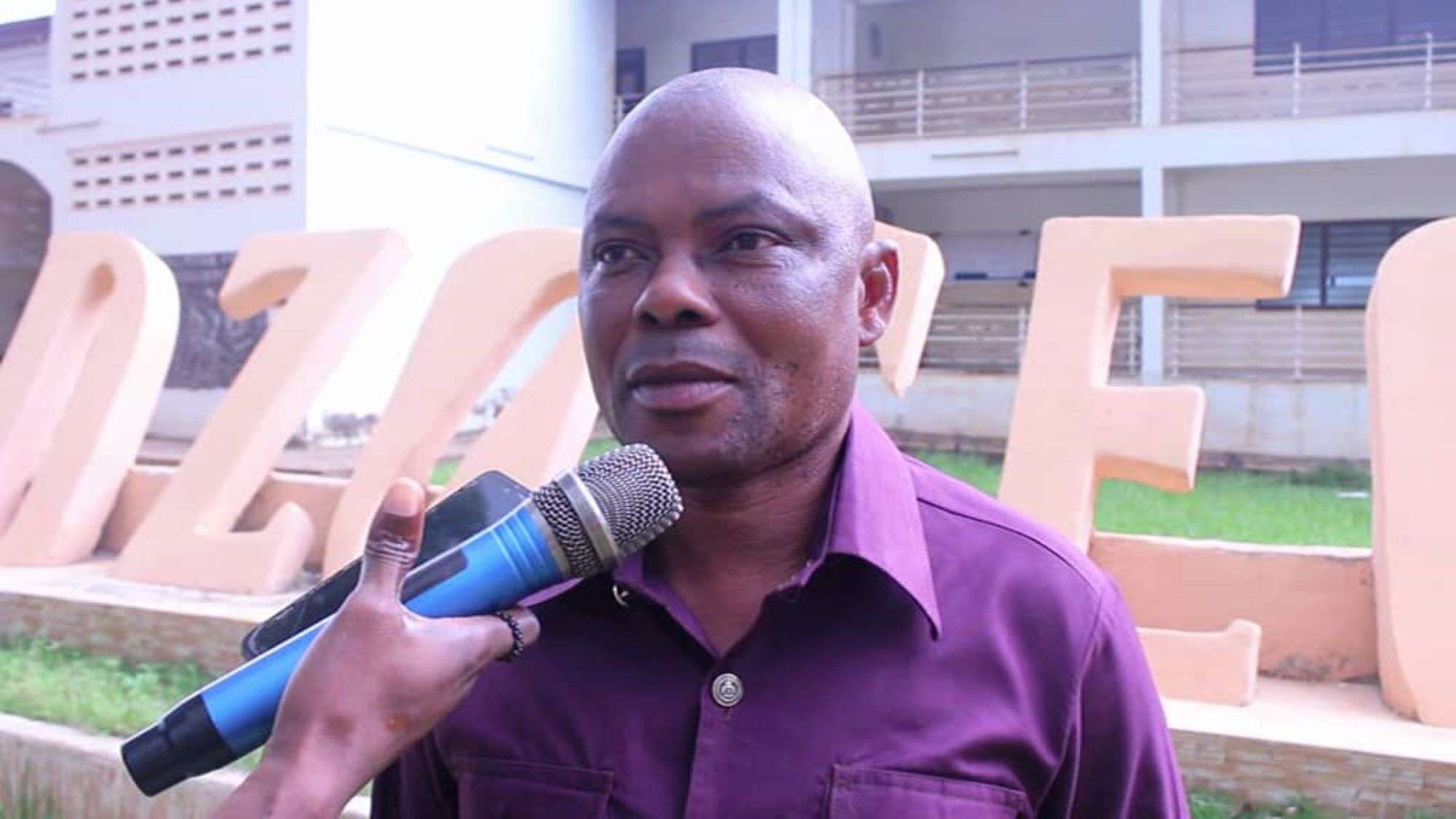


The Centre for Democratic Movement with (CDM) has issued a stark warning that Ghana may be heading towards a dangerous social and economic crisis if the government fails to urgently address what it describes as growing institutional breakdowns across various sectors of the economy including agriculture.
The pressure group painted a bleak picture of the agricultural sector, warning that thousands of farmers are now trapped in severe financial distress despite recording bumper harvests.
According to the CDM, large quantities of maize, rice, tomatoes, yam, sorghum, millet, and beans are rotting across farming communities because farmers cannot access reliable buyers, storage facilities, transportation systems, or government-backed market interventions.
Addressing a news conference in Accra on Monday May 25, 2026 , the CDM described the situation as one of the biggest contradictions confronting the country — where food abundance exists alongside rising hunger and food shortages.
While produce continues to spoil in farming communities, the group noted that schools, urban consumers, and vulnerable households continue to struggle with food supply challenges and high market prices.
“This is not an agricultural failure alone; it is a governance failure,” the conveners stressed.
The CDM identified major farming belts in Ejura, Techiman, Kintampo, Atebubu, Wenchi, Agogo, Nkoranza, West Akim, Fanteakwa, and several northern production zones as areas hardest hit by the crisis.
According to the group, the crisis has exposed structural weaknesses in Ghana’s food distribution systems, storage capacity, agro-processing industry, feeder road network, and national buffer stock management.
Farmers in dispair
The CDM warned that many farmers are gradually losing interest in agriculture because farming is becoming financially unsustainable.
It further expressed concern that some desperate farmers are now selling their farmlands to illegal miners, worsening the country’s environmental crisis.
CDM questions 24-Hour Economy vision
The CDM also used the occasion to criticize the government’s proposed 24-hour economy agenda, arguing that the policy risks becoming an empty slogan if major structural inefficiencies within the agricultural value chain remain unresolved.
According to the group, government cannot successfully implement a productive 24-hour economy while food produce continues to rot due to poor logistics, weak market coordination, and insufficient storage infrastructure.
The movement argued that a genuine 24-hour economy should involve aggressive investment in food processing factories, cold-chain systems, aggregation centres, transportation networks, and nationwide supply chain coordination.
Instead, the group accused government of focusing more on the “optics” of 24-hour markets without addressing the deeper structural bottlenecks affecting farmers and food distribution.
Cocoa sector anxiety deepens
The CDM further warned that Ghana’s cocoa industry — one of the country’s most strategic economic sectors — is facing mounting uncertainty that could threaten national export earnings and rural livelihoods.
According to the group, cocoa farmers are battling rising production costs, delayed payments, declining productivity, climate-related risks, and growing uncertainty over producer pricing systems.
The CDM cited historical producer price trends released by Ghana Cocoa Board and argued that although cocoa prices experienced significant upward reviews in recent years, current developments have created anxiety within farming communities.
The group claimed that recent downward pricing adjustments and restructuring concerns are worsening hardship among cocoa farmers at a time when illegal mining continues to destroy cocoa lands across several regions.
According to the movement, if frustrations within the sector are not addressed urgently, Ghana risks increased cocoa smuggling, declining production, rising rural poverty, and long-term damage to the cocoa industry.
The group also warned that the abandonment of cocoa farming could accelerate if farmers continue to feel neglected by policymakers.
“The State Is Becoming Increasingly Unresponsive,” the group bemoaned.
The CDM concluded that the problems affecting all sectors of the economy, particularly agricultural production and industrialisation.
By Kyei Boateng