
The Girls to Women Foundation, a non-profit-making organization with focus on women and girl-child empowerment is promoting the inclusion of women in traditional governance in the Dagbon traditional Kingdom in the Northern Region.
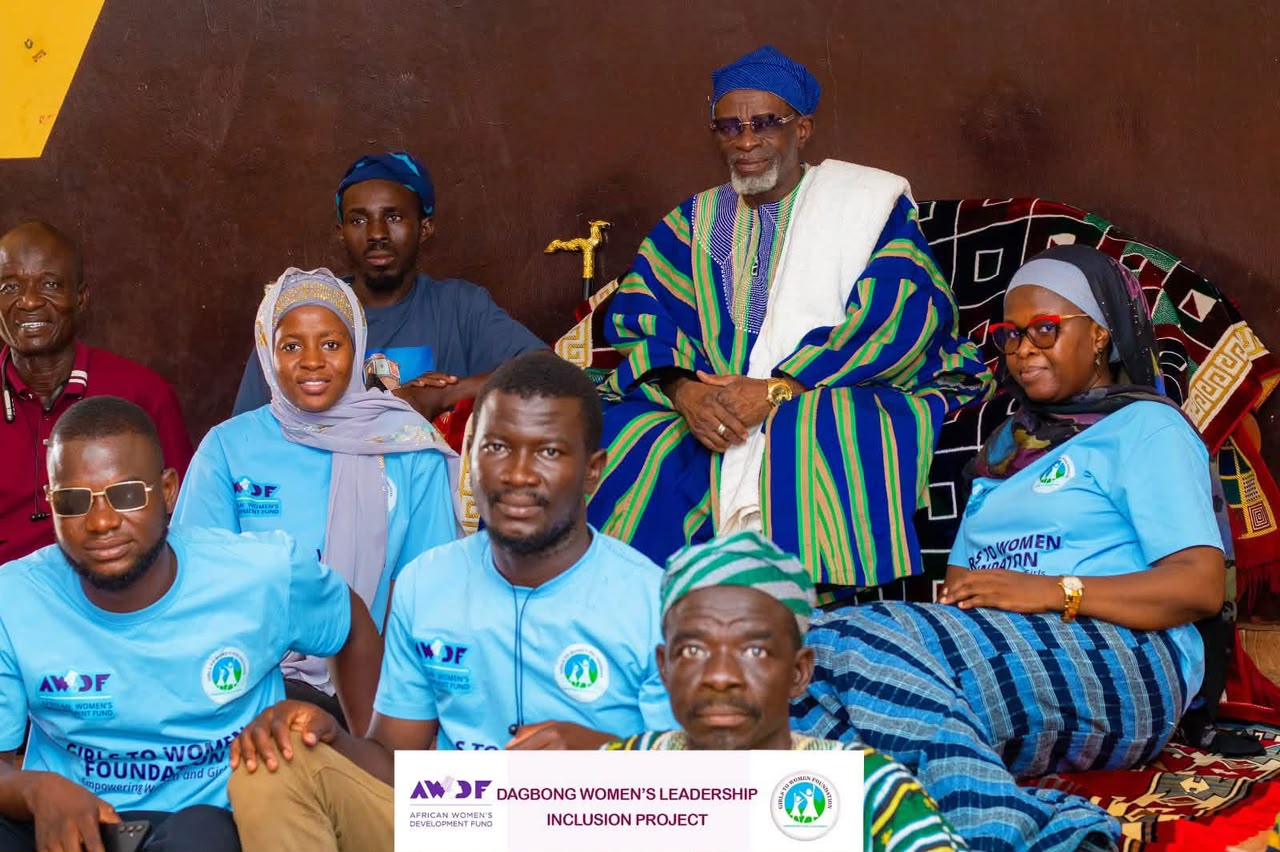
With funding support from the Africa Women Development Fund, the foundation has engaged with traditional rulers including the late Overlord of Dagbon, Yaa Naa Abukari II, before his demise to roll out the Dagbon Women’s Leadership Inclusion Project (DWLIP) in the area.
The intervention followed a successful pilot program under the Rural Women Leadership Project in the Sagnarigu traditional area where the Paramount Chief, Naa Ambassador Yakubu Abdulai personally embraced the initiative and encouraged his sub chiefs to emulate the same.
The foundation subsequently engaged with the late Overlord of Dagbon, Yaa Naa Abukari II, to solicit his full support for the implementation of the project.
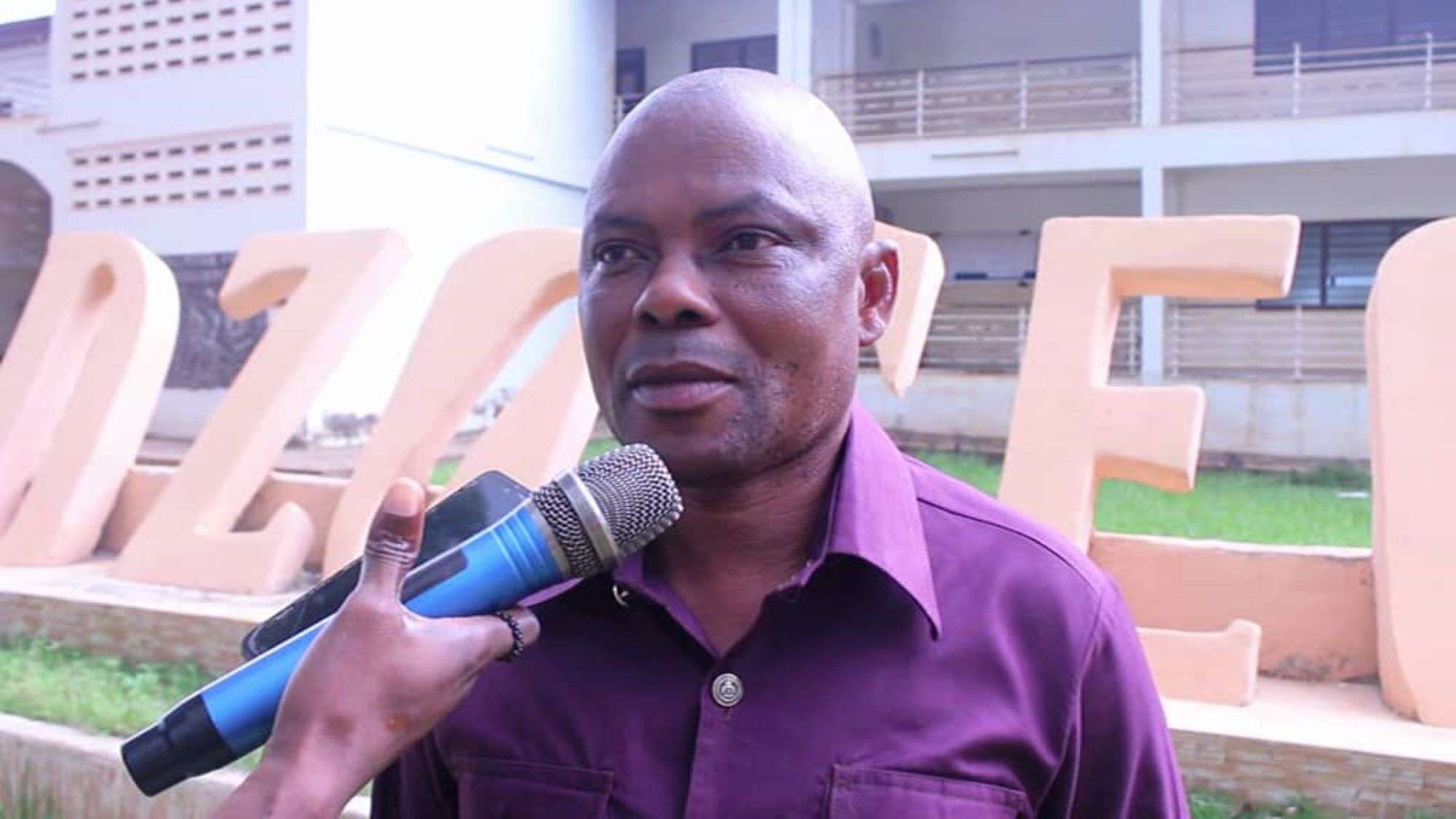
In an exclusive interview, the Programmes Manager at Girls to Women Foundation, Madam Barichesu Sulemana Frinjei told THE CUSTODIAN her outfit also engaged with the Gundo Naa who is the Overlord of Queen mothers in the Dagbon Kingdom as well as the Paramount Chiefs of Savelugu, Mion, Choggu and Kanvili to roll out the project in their respective jurisdictions.
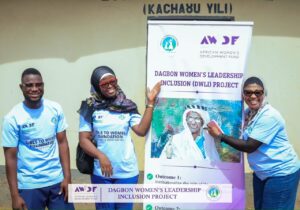
She noted that the main objective of the initiative is to achieve gender-inclusiveness and to promote women leadership in traditional governance.
She maintained that the intervention also seeks to ensure these women representatives known in the local parlance as ‘Magazias’ actively represent the voices of all women particularly in critical decisions during deliberations at their respective councils.
“The main objective is how we can get the Magazias in the various traditional councils especially with the sub chiefs under all the traditional councils to have a Magazia with the aim of having the women voice in the palace and it shouldn’t just be for the name’s sake but they should actively be involved and participating in the traditional council setting” she stressed.
Consequently, she disclosed that the foundation organized a workshop to build the capacity of sub chiefs under the paramountcy on traditional governance and the role of women. Similarly, the women leaders selected from the communities were also trained on leadership and women mobilization to drive development.
Additionally, Madam Barichesu said some religious leaders from the five communities were selected for capacity building to promote the advocacy of women inclusion at the local level leadership and decision-making processes.
Meanwhile, this intervention has enhanced Ghana’s efforts to achieve the United Nations Sustainable Development Goal 5, which enjoins member states to achieve gender equality and empower all women and girls by 2030.
The project further acknowledges the country’s Affirmative Action Act, 2024 (Act 1121) designed to address historical gender imbalances across the political, social, economic, educational and cultural spheres of life. The law establishes some progressive targets to improve female participation in public and private sector decision-making bodies and the traditional sector is no exception.